Sourcing & Manufacturing
Private Label vs. White Label: What Amazon Sellers Need to Know
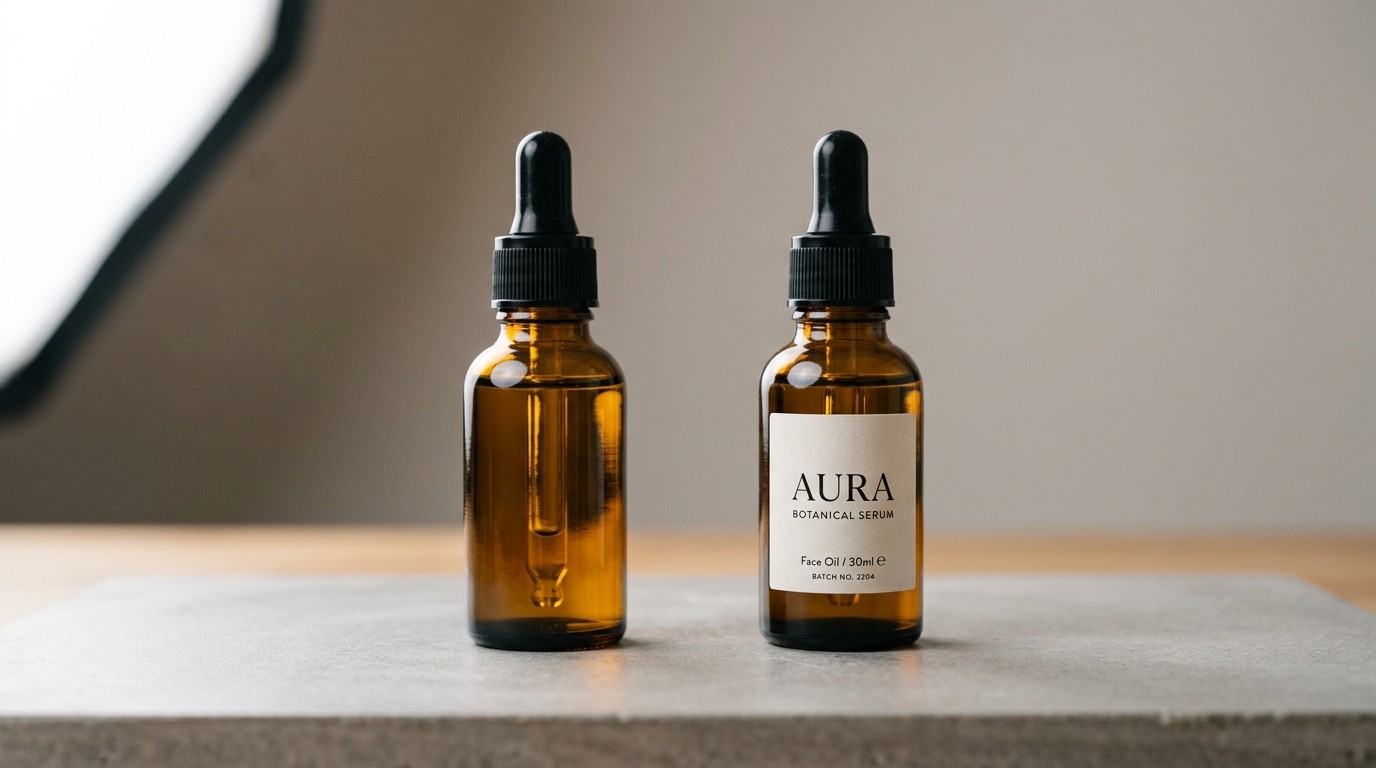
White label means buying an existing product already made by a factory and putting your brand on the packaging - same product other sellers may also be selling, just relabeled. It's the fastest way to launch: no product development, no mold costs, often the lowest MOQ.
3 min
read
·
An article by

Head of Sourcing
White label means buying an existing product already made by a factory and putting your brand on the packaging - the same product other sellers may also be selling, just relabeled.
It's the fastest way to launch: no product development, no mold costs, and often the lowest MOQ since you're ordering from an existing production run.
Private label means working with a factory to customize a base product - different materials, added features, custom packaging, sometimes a modified mold.
Private label costs more upfront and takes longer, but it's harder for competitors to undercut you on price alone, since they can't source the exact same listing.
For a first Amazon product, white label is the lower-risk way to validate demand before investing in customization.
Once a product is proven to sell, moving to private label - different colorway, upgraded material, bundled accessory - is how sellers build defensibility and escape race-to-the-bottom pricing wars on identical listings.
The decision often comes down to capital and timeline: white label typically launches in 4-6 weeks with lower cash outlay, while private label with custom tooling can take 8-12 weeks and requires the mold investment upfront.
Either path starts the same way: finding a factory that already makes something close to what you want, then deciding how much to customize. That's the sourcing conversation we have with every new client before quoting anything.