Warehousing & 3PL
China Warehousing vs. US Warehousing: Which One Do You Actually Need First?
These solve two different problems, and most growing sellers eventually need both.
4 min
read
·
An article by

Co-founder & CEO
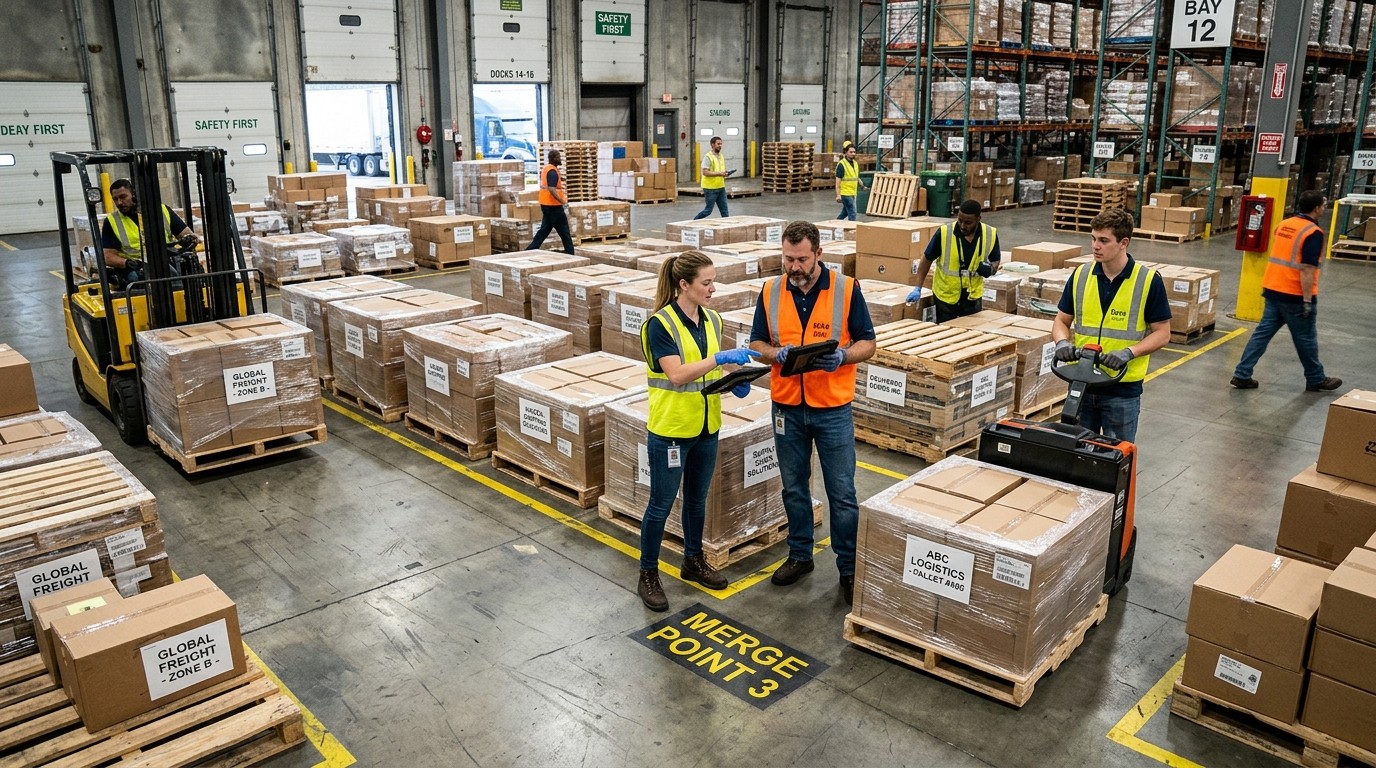
China-side warehousing (temporary or short-term 3PL) solves the consolidation problem: holding inventory from multiple factory orders in one place so you can combine them into a single shipment instead of paying separately to ship five partial orders.
It's also useful as a buffer - order in bulk from the factory to get better pricing, then ship to your market in smaller batches as needed, rather than committing to one giant shipment landing all at once.
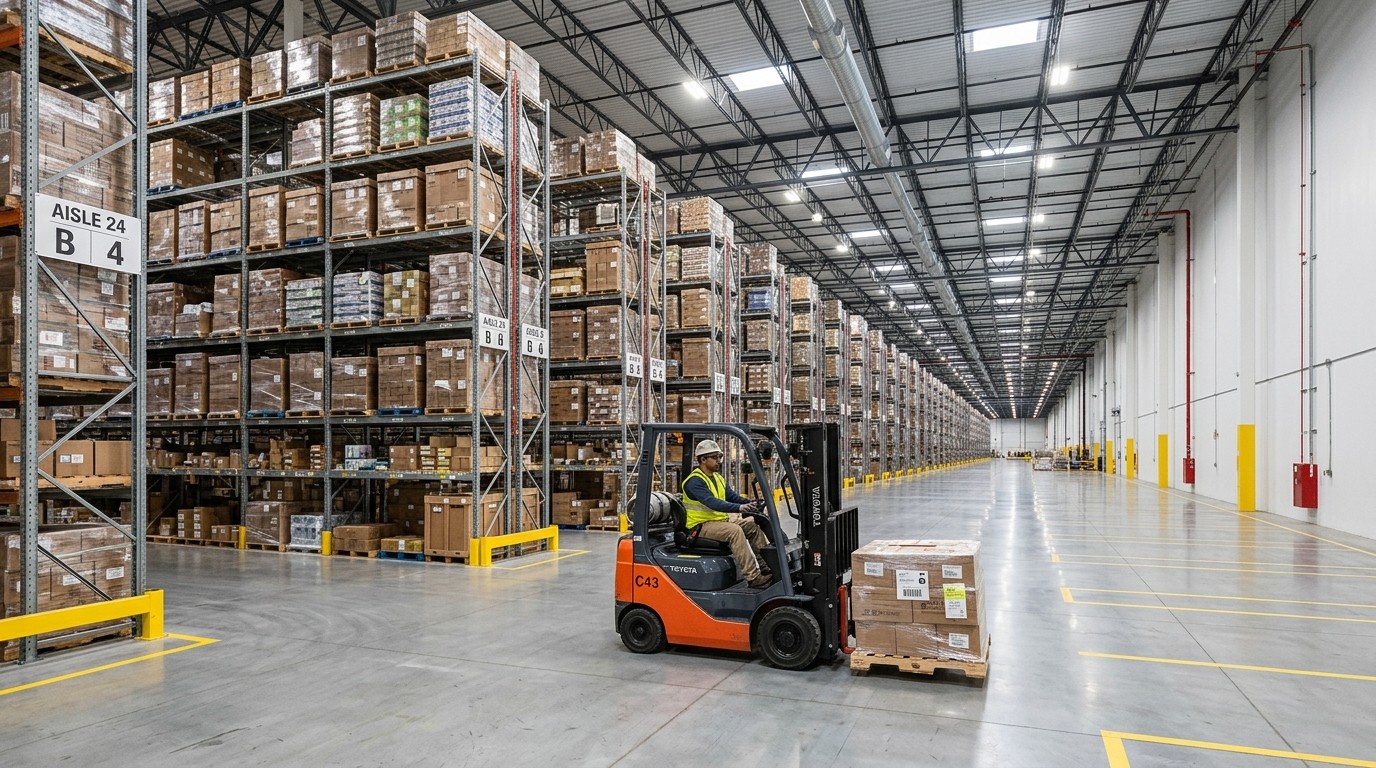
US-side warehousing (3PL storage, pick-pack-ship) solves the fulfillment speed and flexibility problem: inventory already in-market means faster delivery to customers.
It also gives you the ability to split stock between Amazon FBA and your own DTC fulfillment, and a buffer against FBA storage limits or long-term storage fees during your slower SKUs' off-season.
For a seller just starting out with one core product going straight to FBA, China-side consolidation is usually the higher-priority piece.
For sellers running multiple SKUs, multiple sales channels, or wanting owned inventory outside of Amazon's fulfillment network, US warehousing becomes necessary fast.
Cost matters too: China-side storage is typically a fraction of the per-pallet cost of US warehousing, so holding buffer stock there before it's needed keeps working capital costs down.
360TradeX operates both - a facility in Shenzhen for consolidation and prep, and a US warehouse partner for domestic fulfillment - so inventory can move through one coordinated pipeline instead of being handed off between unrelated vendors at each stage.